(480) 630-7234
Mesa Sober Living vs. Halfway House: Key Differences
CONTACT US
After completing treatment for substance use, having a safe and supportive place to live can make all the difference in maintaining long-term sobriety. For many people in recovery, two common options are sober living homes and halfway houses. While these terms are often used interchangeably, there are key differences between the two.
At Milestone Recovery, we help clients in Mesa and across the East Valley transition smoothly from treatment to independent living through structured, compassionate sober living environments. Here’s what you should know before choosing the best option for you or a loved one.
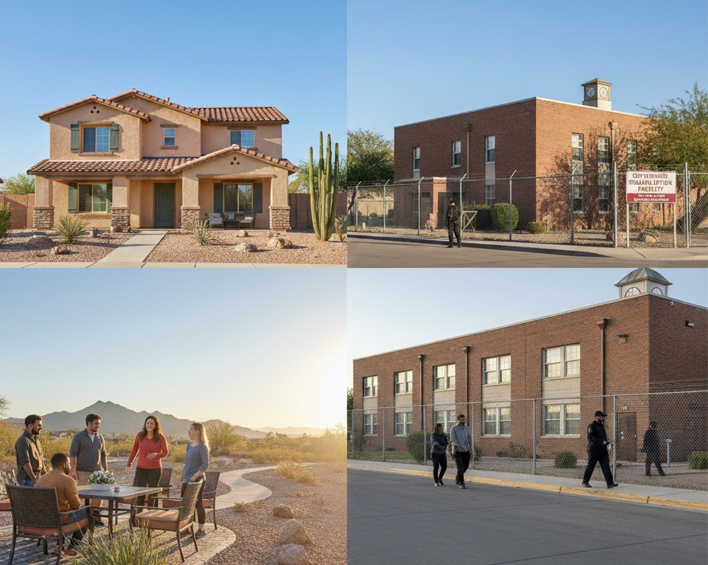
What Is a Sober Living Home?
A sober living home provides a stable, alcohol- and drug-free environment for individuals in early recovery. It bridges the gap between treatment and complete independence, offering accountability and community without the rigidity of inpatient rehab.
Sober living homes emphasize structure, peer support, and personal responsibility. Residents typically work, attend school, or participate in outpatient programs such as Intensive Outpatient (IOP) or Partial Hospitalization (PHP) while living in a supportive environment.
Common features of sober living homes:
- Regular drug and alcohol testing
- Curfews and house rules
- Mandatory participation in recovery programs or therapy
- Peer accountability and group support
- Encouragement to find employment or continue education
Sober living gives individuals the time, stability, and community support needed to strengthen recovery skills before transitioning to full independence.
What Is a Halfway House?
A halfway house is traditionally a state- or federally funded facility that provides housing for people re-entering society after incarceration or treatment. These homes often serve individuals under court supervision or those participating in government rehabilitation programs.
While halfway houses also support sobriety, they typically have more restrictions and limited lengths of stay compared to privately operated sober living homes.
Common features of halfway houses:
- Government or nonprofit funding
- Set time limits for residency
- Fewer personalized recovery supports
- May house residents from various backgrounds (including parole or probation programs)
- Less individualized structure compared to private sober living
Halfway houses can be a good option for those needing transitional support but may not provide the same level of recovery-focused environment that sober living homes do.
Key Differences Between Sober Living and Halfway Houses
| Aspect | Sober Living Home | Halfway House |
|---|---|---|
| Purpose | Transitional housing for individuals in early recovery | Reintegration for people leaving treatment or incarceration |
| Structure | Privately operated, with recovery-focused rules and peer support | Often government-run with general supervision |
| Length of Stay | Flexible—residents can stay as long as needed | Typically limited to a few months |
| Environment | Supportive, community-based, and recovery-oriented | More institutional or transitional in nature |
| Accountability | Peer accountability, curfews, and testing | Strict oversight, often court or probation-related |
| Therapeutic Support | Encourages therapy and outpatient programs | May not include therapy or recovery coaching |
In short, sober living homes are designed for individuals committed to building long-term recovery skills, while halfway houses provide broader transitional support with less emphasis on clinical or therapeutic care.
The Role of Sober Living in Recovery
For many people in early sobriety, sober living is a vital step between treatment and full independence. It offers structure without confinement, allowing residents to rebuild their lives with guidance and community support.
Benefits include:
- Accountability through routine and peer encouragement
- A supportive, substance-free living environment
- Access to therapy, meetings, and aftercare services
- Opportunities to rebuild confidence, employment, and stability
At Milestone Recovery, our sober living options help clients reinforce the tools learned in treatment—creating a strong foundation for lifelong sobriety.
Sober Living with Milestone Recovery
Milestone Recovery’s sober living homes in Mesa and surrounding areas offer safe, structured, and comfortable environments for individuals continuing their recovery journey.
Our homes are designed to help residents thrive through:
- Connection to outpatient treatment (IOP & PHP)
- Ongoing dual-diagnosis and trauma-informed therapy
- Life skills training and relapse prevention
- Community support and accountability
- Access to employment and educational resources
We serve clients from Mesa, Gilbert, Chandler, Tempe, Scottsdale, and Phoenix—helping each person transition confidently toward long-term independence.
Frequently Asked Questions
How long can someone stay in sober living?
There’s no fixed timeline. Most residents stay for several months until they feel ready to live independently with stable recovery routines in place.
Do I have to be in treatment to live in sober living?
Many residents participate in outpatient treatment or therapy, but it’s not always required. However, a commitment to sobriety and personal growth is essential.
What makes sober living different from inpatient rehab?
Inpatient rehab provides intensive, round-the-clock care, while sober living offers structure and accountability in a real-world environment where clients begin rebuilding daily life skills.
Find Your Next Step in Recovery
If you’re in early recovery and looking for structure, support, and community, sober living may be the perfect next step. At Milestone Recovery, we help individuals in Mesa and throughout the Valley find strength, purpose, and lasting sobriety through safe, supportive transitional housing and evidence-based treatment.
Call today at (480) 630-7234 to schedule your free estimate!
Start Your Recovery Journey Today
Taking the first step toward recovery is life-changing. At Milestone Recovery, we are here to guide and support you every step of the way. Contact us at (480) 877-0617 or visit our facility in Phoenix to learn more about our comprehensive substance abuse treatment programs. Whether you’re in Cave Creek, Scottsdale, Mesa, or anywhere else in the Valley, expert care is within your reach. Milestone Recovery – Your partner in achieving a healthier, addiction-free future. Call today!