(480) 630-7234
How DBT Skills Help Emotional Regulation During Recovery in Cave Creek, AZ
CONTACT US
Recovery from addiction is about more than just stopping substance use—it’s about learning how to manage emotions, build resilience, and create a more balanced life. In Cave Creek, AZ, many individuals and families are discovering the powerful benefits of Dialectical Behavior Therapy (DBT) for emotional regulation during recovery. At Milestone Recovery, we use DBT as a core part of our evidence-based programs, helping clients develop the skills they need to thrive both in and beyond treatment.
What Is Dialectical Behavior Therapy (DBT)?
DBT is a type of talk therapy originally designed to help people manage intense emotions and self-destructive behaviors. Over time, it has become a gold standard for treating not only borderline personality disorder but also addiction, depression, trauma, and anxiety. DBT focuses on four main skill areas: mindfulness, distress tolerance, emotion regulation, and interpersonal effectiveness. These skills empower clients to understand their feelings, cope with stress, and improve relationships.
Why Is Emotional Regulation Important in Recovery?
Addiction and intense emotions often go hand in hand. Many people turn to substances to cope with overwhelming feelings, numb emotional pain, or escape difficult situations. Without new ways to manage emotions, the risk of relapse remains high—even after detox or rehab. By learning DBT skills, individuals gain practical tools to handle life’s ups and downs without turning back to drugs or alcohol.
Key DBT Skills for Emotional Regulation
1. Mindfulness
Mindfulness is about paying attention to the present moment without judgment. In recovery, practicing mindfulness can help you notice urges, triggers, or negative thoughts before they spiral out of control. Over time, this awareness gives you more control over your actions and reactions.
2. Distress Tolerance
Life in recovery will have stressful moments. Distress tolerance skills teach you how to get through tough times without making things worse. Simple strategies—such as deep breathing, grounding exercises, or healthy distractions—can make it easier to ride out cravings or emotional storms.
3. Emotion Regulation
Emotion regulation skills help you understand and change unhelpful emotional patterns. You’ll learn how to identify what you’re feeling, why those feelings arise, and what steps you can take to shift your mood in a positive direction. This might include self-care, problem-solving, or changing negative thinking.
4. Interpersonal Effectiveness
Healthy relationships are a key part of lasting recovery. DBT teaches assertiveness, healthy boundaries, and effective communication so you can build stronger connections and avoid conflicts that may trigger relapse.
How DBT Skills Are Used at Milestone Recovery
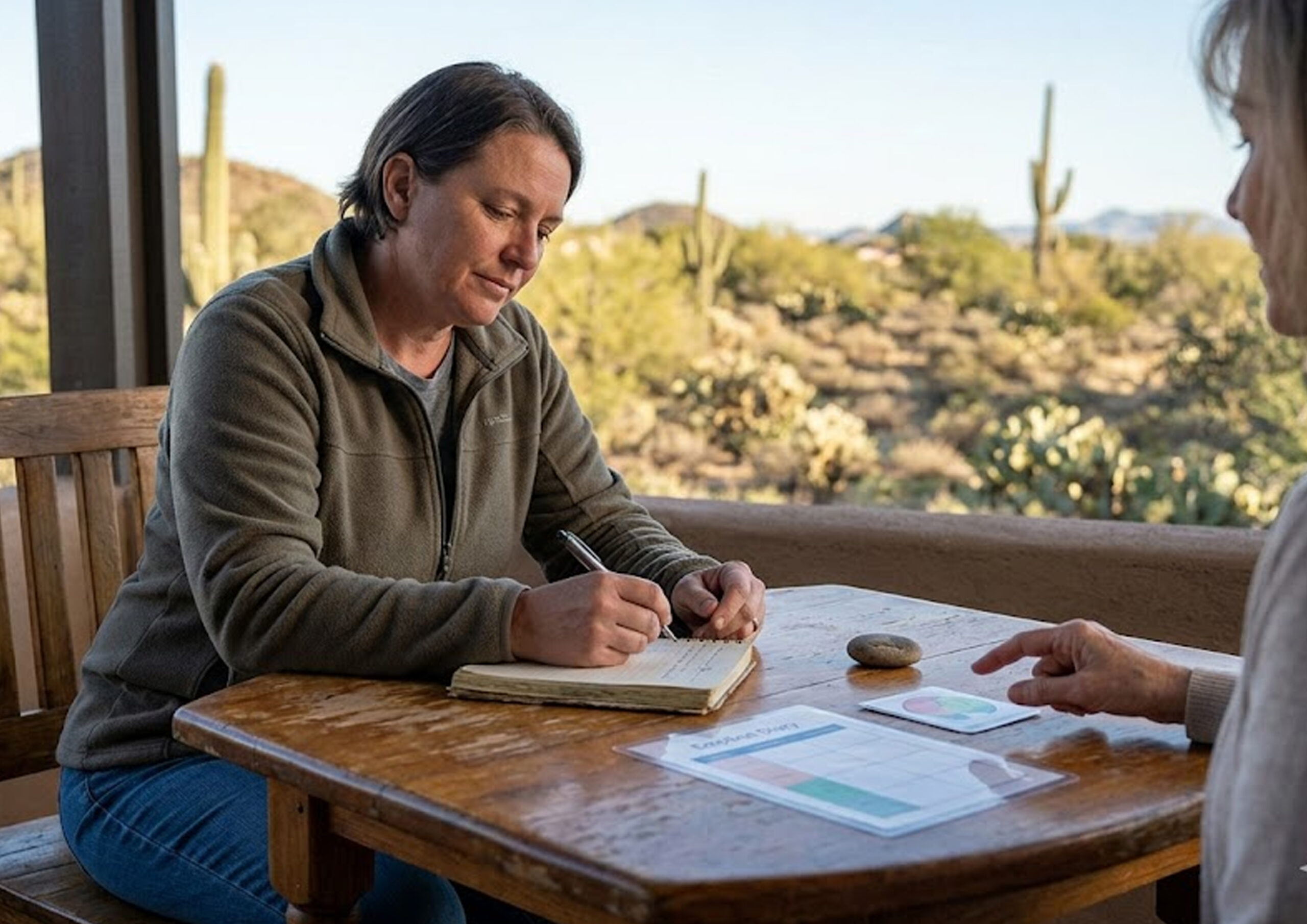
At Milestone Recovery in Cave Creek, DBT is integrated into our outpatient rehab, intensive outpatient (IOP), partial hospitalization (PHP), and dual-diagnosis programs. Clients participate in both individual and group sessions, practicing DBT skills with the support of experienced, compassionate therapists.
We encourage real-world application of these tools, from handling stressful family situations to managing work pressures or social events. Because DBT is practical and skills-based, clients often see positive changes quickly, which builds confidence and keeps them engaged in recovery.
Lasting Benefits of DBT in Recovery
- Reduced urges and cravings
- Fewer impulsive or risky behaviors
- Better ability to handle stress and setbacks
- Improved mood and emotional stability
- Stronger relationships and social support
- Greater self-awareness and self-compassion
FAQs: DBT and Recovery in Cave Creek
Can anyone benefit from DBT?
Yes. While DBT was created for severe emotional challenges, people at all stages of recovery and with various backgrounds find DBT skills helpful for everyday life.
Do I need to be in group therapy to learn DBT?
Not necessarily. DBT can be taught in individual therapy, group settings, or a combination of both, depending on your needs and preferences.
How long does it take to see results?
Many clients start to notice improvements in a few weeks, but ongoing practice leads to the greatest changes over time.
Experience DBT Support in Cave Creek
If you or a loved one are ready to gain better control over emotions and build a stronger foundation for recovery, Milestone Recovery is here for you. Our team proudly serves Cave Creek and the Valley with expert DBT, compassionate care, and personalized treatment plans.
Call today at (480) 630-7234 to schedule your free estimate!
Start Your Recovery Journey Today
Taking the first step toward recovery is life-changing. At Milestone Recovery, we are here to guide and support you every step of the way. Contact us at (480) 877-0617 or visit our facility in Phoenix to learn more about our comprehensive substance abuse treatment programs. Whether you’re in Cave Creek, Scottsdale, Mesa, or anywhere else in the Valley, expert care is within your reach. Milestone Recovery – Your partner in achieving a healthier, addiction-free future. Call today!